

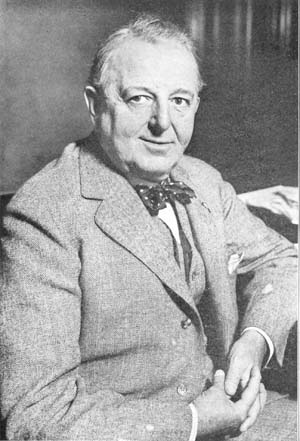
TY COBB PRAISED CHARLES COMISKEY AS A FOUNDER OF MODERN BASEBALL.
Make no mistake about that. Charles Comiskey was one of the men who shaped this game from dust and dreams into what it became. He was a ballplayer’s ballplayer, a thinking man on the field, and a builder off it. They called him “The Old Roman,” and rightly so—he ruled the game with vision, discipline, and purpose.
I’ve known a lot of managers in my time, but Comiskey was one of the smartest to ever wear a uniform. Back when he was running first base for the St. Louis Browns in the 1880s, he was already redefining how the position was played—hugging the line, playing off the bag, cutting off hits. That wasn’t done back then. But Comiskey saw things others didn’t. And then, when he became a manager, he demanded smart, aggressive baseball—and he got it.
They say I was intense on the basepaths, but Comiskey’s teams were trained in the same spirit. He liked players who scratched for every inch, who hustled, who had a head for the game. He managed the Browns to four straight American Association pennants—and that wasn’t by accident.
But his real legacy didn’t stop at the foul lines. Comiskey had the foresight to be one of the founding fathers of the American League. Without men like him, who stood firm when the game was still young and fragile, baseball wouldn’t be the national institution it is today.
You want to talk about legacy? He built the Chicago White Sox from the ground up—brick by brick, deal by deal. He put his money where his heart was and gave the South Side a team of its own. Comiskey Park stood for generations as a monument to his love of the game.
Sure, there were controversies. The Black Sox scandal cast a shadow—but don’t forget, Comiskey was also betrayed by players he paid and promoted. Still, he never stopped believing in the game. And if you ask me, it’s because of men like Charles Comiskey that baseball survived its growing pains and became what it is—a tradition, a history, and a national treasure.
Say what you want, but when they write the story of baseball, you’d better put Charles Comiskey on the first few pages—because that’s where he belongs.